What is the Holy Trinity?
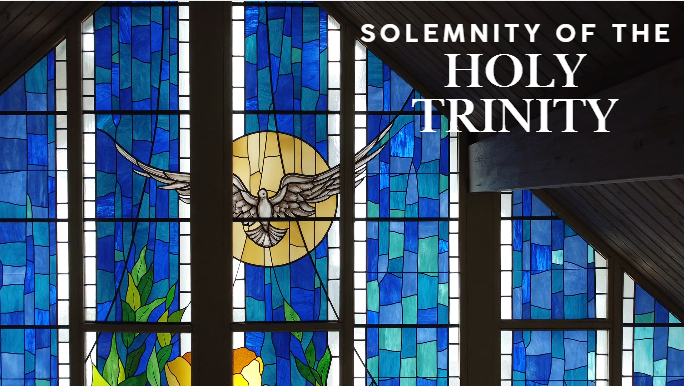
The Sunday after Pentecost we celebrate the Solemnity of the Most Holy Trinity, the central mystery of the Catholic faith. We meditate on the fact that God is one in three Divine Persons: the Father, Son, and the Holy Spirit. Each one works within our lives in different but cohesive ways.
The Nicene-Constantinopolitan Creed is the main liturgical document laying out the crucial essence of the Holy Trinity for the Catholic Faith. This was created over many years of discourse over the importance of the three Persons of the Trinity. The idea of the Father, Son, and Holy Spirit sharing equal weight within the presence of God disputed Arianism at the First Council of Nicaea in 325 and against Macedonianism at the First Council of Constantinople in 381.
Why is this celebrated?
A Mass in remembrance of the Solemnity of the Most Holy Trinity has been celebrated for a long time. A votive Mass of the Most Holy Trinity can be found as early as medieval times during sacramentaries, including the Alcuin of York (c. 800).
After that, Pope Saint John XXII created a Feast Day for the Catholic Church in 1334 which made its day of commemoration the Sunday after Pentecost. Pope Saint Pius X raised it to the rank of a Solemnity in the year 1911.
It is no coincidence that this Solemnity of the Most Holy Trinty is celebrated just after the Season of Easter has concluded. Throughout Easter, we reflect on the fact that Jesus, the Son of God, was sent by God the Father to redeem humanity from sin and death. With Pentecost Sunday, we see how the Holy Spirit envelops the early Church and gives Her the graces needed to go out and proclaim the Good News. The Solemnity of the Most Holy Trinity is the opportunity for Christians to reflect back on these events, and on the Goodness of God, Three in One, Who remains with and in the Church still today.