Lessons from Vietnam

Reflection by Fr. Thomas Fetz, OFM Conv. 

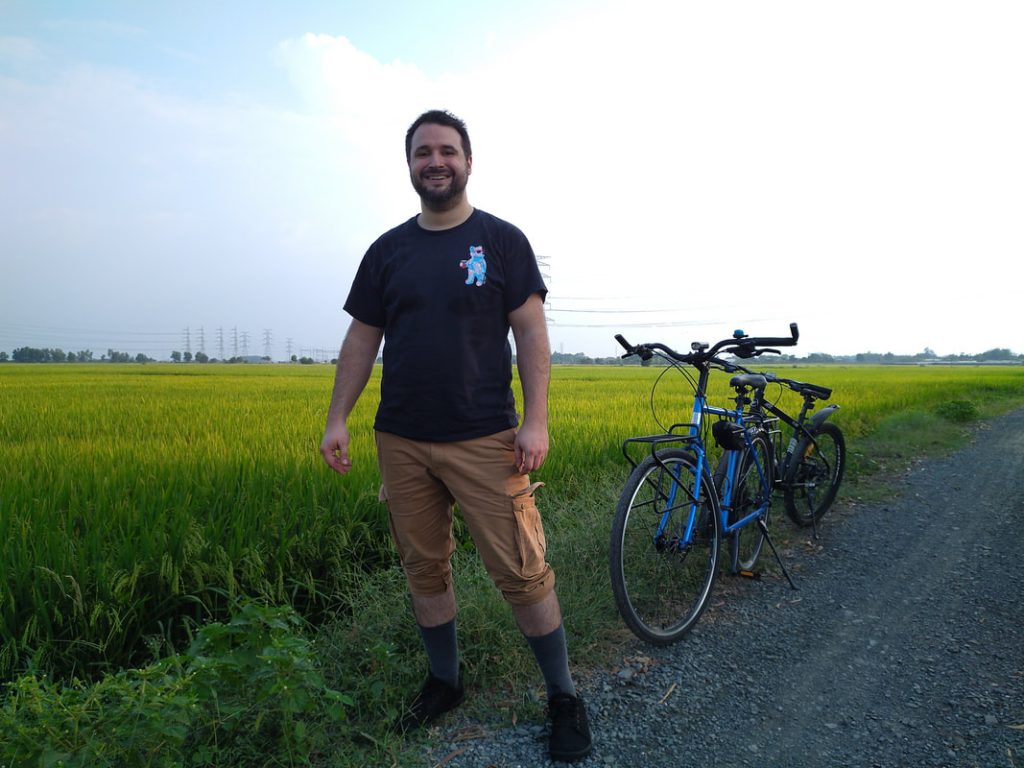
This spring, I visited Vietnam to study the language. The experience was beautiful, and I greatly desire to return. One thing that I have found consistently in trips to other countries is that there is so much more to learn than the language. Here are some things I learned in my journey:

FRATERNITY

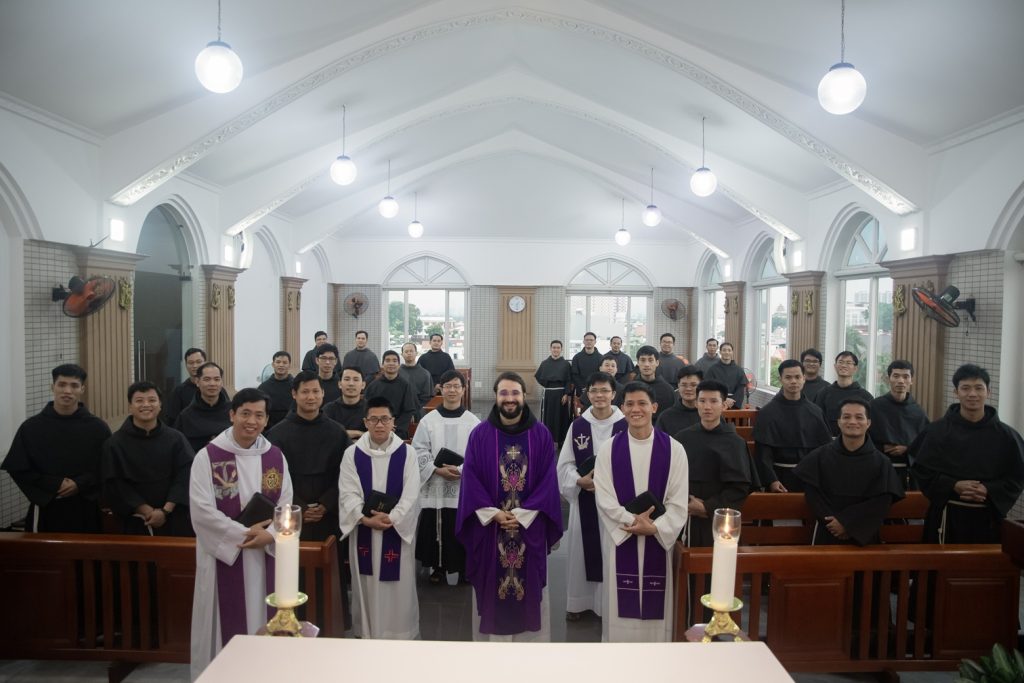
Vietnamese culture is extremely communal and familial. The friars spend a lot of time together and happily welcome outsiders. Their approach to fraternity taught me how to be willing to make sacrifices for the community and for visitors.

CULTURE

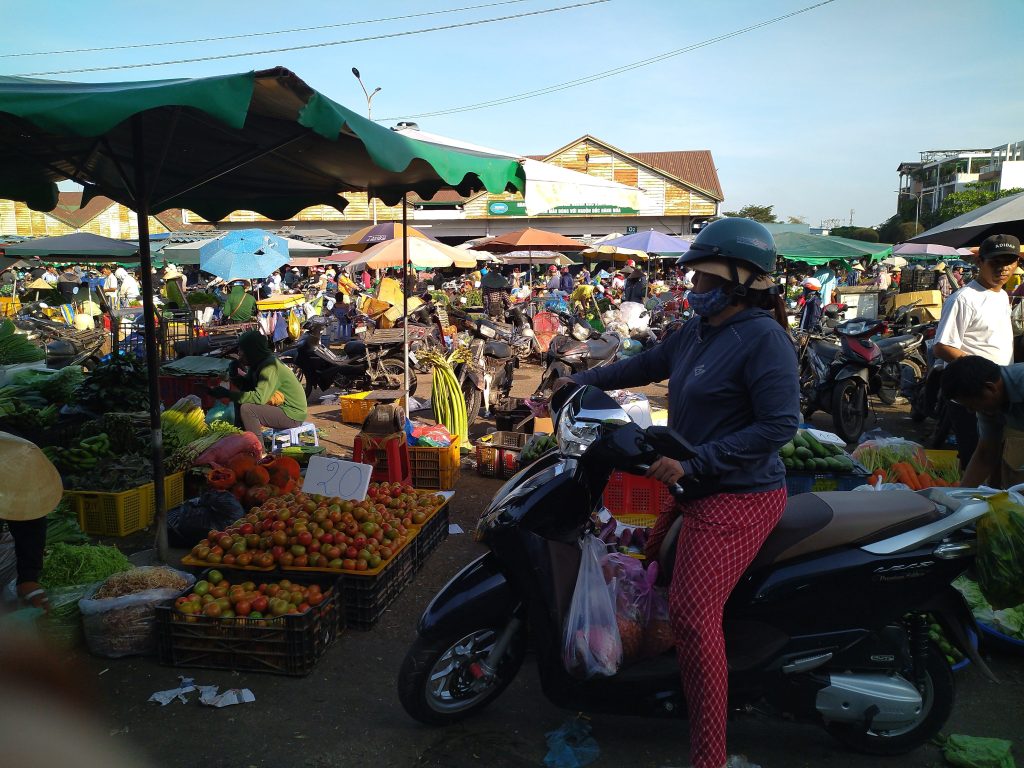
Vietnam has a deep and distinct cultural heritage. I particularly enjoyed their sacred music and chant, which differs from English because of the tonality of the language. Naturally, there were plenty of delicious and unusual foods—blood, insects, reptiles, and just about every interior organ were all on the menu!

LANGUAGE

The express reason for my trip was learning the language. I find Vietnamese several times tougher than Spanish, so I had to work very hard. It was easy to get confused; the friars laughed at me because I kept confusing the word for city (“thành phố”) and bathroom (“phòng tắm”)! However, I did make progress; by the time I left, I was preaching in Viet every other day. I still have a long way to go, but I can at least function in the liturgy!

Safeguarding Statement

The Franciscan Friars Conventual of St. Bonaventure Province are committed to creating safe environments for children and vulnerable adults.

Every friar in active ministry must complete training in Virtus (the National Catholic Risk Retention Group) and any other safe environment compliances required by the dioceses in which they serve.

In addition, St. Bonaventure Province has its own Safe Environment Commission that oversees the implementation and monitoring of the Province’s Policies, Procedures, and Protocols for Ethical Ministry with Minors and Vulnerable Adults. 

Any allegation regarding the Franciscan Friars Conventual of this Province receives an immediate response. This includes the Province’s full cooperation with local law enforcement authorities and Ordinaries who have ecclesial jurisdiction over these matters, as well as a duly diligent investigation by a qualified third party in order to substantiate credibility.